The Booth Test: What a 1 A.M. Diner Date Reveals That a Bar Can’t
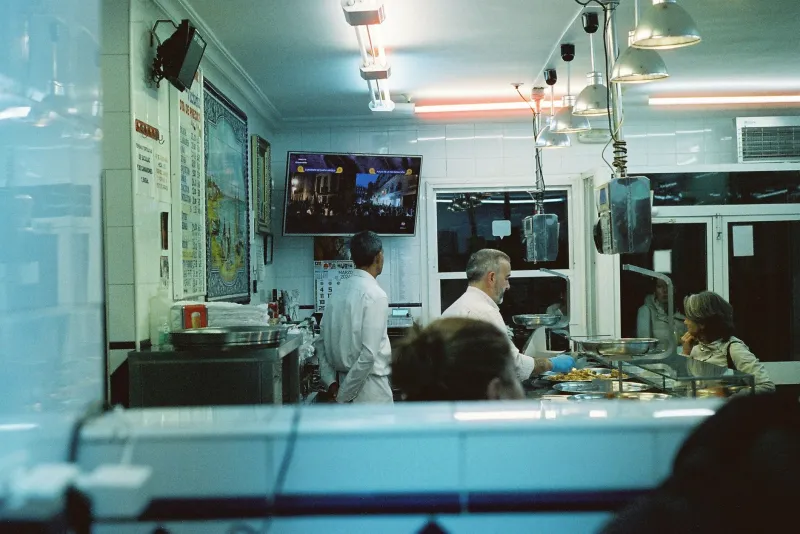
At 1 a.m., a diner tells the truth. The lighting is unforgiving, the menu is laminated, and the coffee has been sitting long enough to develop opinions. Nobody is dressed for a highlight reel. That is exactly why the booth works. A loud bar can sell atmosphere, and an app meetup can sprint from hello to goodbye before anyone gets comfortable. A late-night diner slows the whole thing down. You are in public. You have a table between you. You have pie, or fries, or nothing but a mug and an hour. For adults who want to test chemistry without turning the night into a performance, that is a gift.
Here at Angel Hot Night, we are not against bars. We are against blur. The booth clears the blur. It lets you notice how someone listens, how they order, how they treat the server, and how they handle a lull. It also gives both people an easy, dignified exit. That combination—honest signal, low pressure, public setting—is hard to beat.
Why the Booth Has Better Nonsense Detection Than the Bar
A bar date rewards volume. You lean in, shout, laugh at the right beats, and let the music cover the gaps. A diner date rewards pacing. You can hear each other. You can order a grilled cheese at midnight without pretending it is a personality flaw. You can say, “I have no idea what I want,” and mean it.
The booth also creates natural pauses. A good match does not panic when the conversation dips. They ask a follow-up. They notice your coffee is low. They make a joke about the laminated menu and then let you talk. A bad match fills every silence with a monologue about their ex, their commute, or their supplement stack.
Watch the small moments. Do they thank the server? Do they make room when you reach for the sugar? Do they ask before sliding into your side of the booth? The answer to that last one matters more than a perfect pickup line. Consent at 1 a.m. starts with small, ordinary courtesies.
The Diner-Date Playbook: Casual, Public, and Clear
First, treat the diner as a first meet, not a finish line. Arrive separately. Tell a friend where you are. Keep the first hour public and phone-light. A booth is not a private room, and that is the point.
Order like a person, not a test. If you want fries, get fries. If you are nervous, say so. “I’m terrible at first dates, but I’m excellent at late breakfast” is a better opener than a rehearsed compliment. Offer to split the check, and notice how they respond. Generosity is nice; pressure is not. If they insist on paying, you can say, “Thank you—next time I’ve got it,” or simply, “I appreciate that.” No debts, no drama.
Keep the conversation out of the therapist’s office. Late-night honesty is lovely. Late-night trauma dumping is not. Save the heavy stuff for a later date, if there is one. Flirt with your words, your attention, and your timing. Do not use the booth as a trap. If the vibe is not there, say so kindly. You are allowed to finish your coffee and go home.
Conversation Cues That Matter More Than the Menu
Listen for reciprocity. Do they ask about your answers, or just wait for their turn? Do they remember the name of your friend you mentioned ten minutes ago? Do they laugh with you or at you? A little teasing can be chemistry. A lot of teasing can be contempt. You can feel the difference.
Then test the small no. Offer a fry. Suggest moving to the counter. Ask if they want to split a slice of pie. How they handle a casual “no, thank you” tells you plenty. A person who accepts a boundary over pie will probably accept one later. A person who pouts, pushes, or calls you uptight is giving you free information. Believe it.
Finally, check the energy at the check. If the conversation is still easy, say so. “I’m having a good time. Want to swap numbers and do this again?” If it is not, use the diner’s built-in exit: “I’m going to call it a night. Thanks for the coffee and the company.” Both are complete sentences. Neither requires an explanation.
The Exit Is Part of the Date
Plan the goodbye before you order. Know how you are getting home. Keep cash or a ride app ready. If you drove, park in a well-lit spot. If you met there, leave first if that feels safer. A public booth is not a guarantee, but it is a useful buffer.
Consent-aware exit planning is not cold. It is adult. Ask, “What would feel good—swap numbers, walk out together, or call it?” Then accept the answer. Do not negotiate for a nightcap, a ride, or an invitation. The fact that someone shared a booth with you does not entitle you to the rest of their night. Chemistry that respects a no is the only kind worth chasing.
Five Diner Types for Different Late-Night Personalities in 2026
-
The chrome-and-vinyl classic. Think Northeast Greek diners and old-school coffee shops with pie cases and cracked leather booths. Best for talkers who like a little theater with their late-night eggs.
-
The 24-hour Southern chain. Bright, busy, and gloriously chaotic. Good for people who flirt best with background noise and a menu full of waffles. Be kind to the staff; they are running the whole show.
-
The West Coast donut-shop counter. Short, casual, and low-commitment. Perfect for a first meet that can last twenty minutes or two hours, depending on the signal.
-
The interstate diner. Convenient for travelers and night-shift workers, but choose well-lit locations and stick to public areas. Safety first, flirtation second.
-
The neighborhood 24-hour café. Walkable, familiar, and easy to leave. The best option if you want a date that can turn into a stroll—or end cleanly at the door.
The diner booth is not glamorous. That is its power. It shows you how someone shares a small space, handles a slow refill, and says goodnight. In 2026, when so much dating is optimized for speed, the 1 a.m. booth is a quiet act of honesty. Bring your appetite. Bring your manners. Leave the performance at the bar.